

Meet Ruby
Ruby is a paediatric Occupational Therapist who supports children with a range of neurodevelopmental, physical and genetic differences. She has experience working with children who are Autistic, have developmental delays, ADHD, genetic conditions, Cerebral Palsy, Down syndrome, low muscle tone, hypermobility and Ehlers-Danlos syndrome.
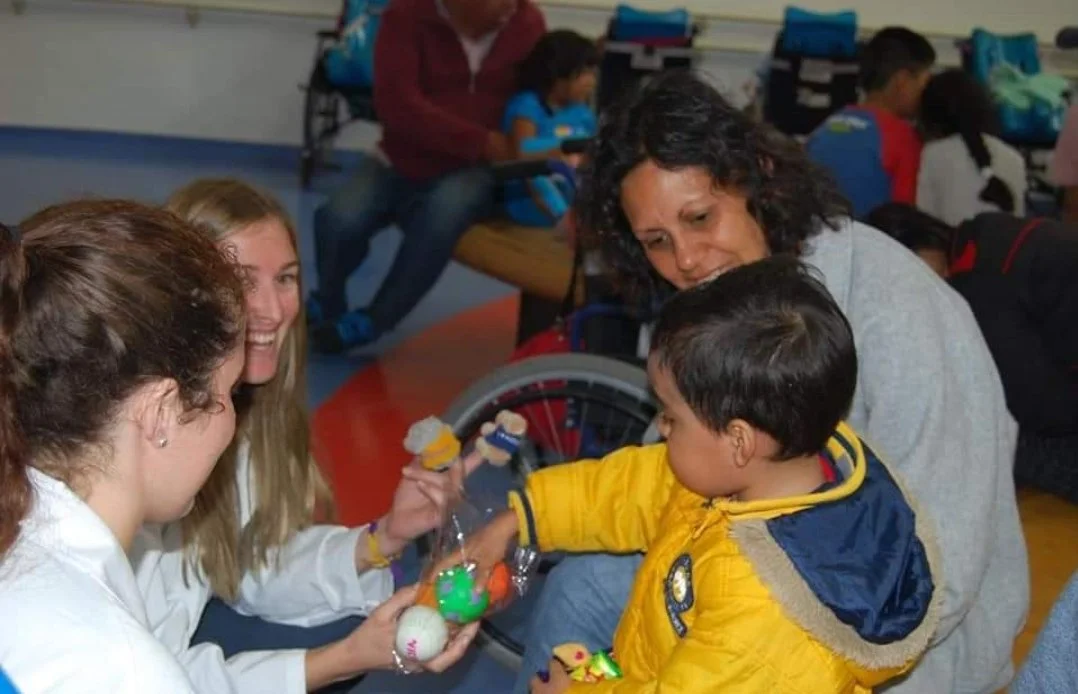
Ruby works closely with children and families to support participation in everyday activities at home, school and in the community. Her approach focuses on helping children build confidence, develop practical life skills and feel understood in their unique strengths and differences.
Before becoming an Occupational Therapist, Ruby spent a decade working in the health and fitness industry supporting people of all ages and abilities. This experience shaped her interest in movement, body awareness and wellbeing, and continues to influence the way she approaches therapy today.
Ruby is passionate about creating a positive impact in the lives of children and their caregivers. She values collaboration with families, educators and other professionals to support each child in a holistic and strengths-based way that embraces neurodiversity.
In her practice, Ruby often incorporates creative and movement-based approaches such as therapeutic use of art, yoga, boxing and play-based activities. These approaches help support emotional regulation, social-emotional learning, sensory processing differences and the development of fine and gross motor skills.
Professional development and training
Ruby believes that when children feel connected, supported and understood, they are better able to thrive and participate confidently in everyday life.

Ruby is committed to ongoing professional learning and regularly participates in training and conferences to ensure her practice reflects current research and best practice in paediatric occupational therapy.
Recent professional development includes:
Participation in the Advancing Comprehensive Early Childhood Intervention Conference (Portugal), featuring international leaders in childhood disability, including Professor Peter Rosenbaum, developmental paediatrician at McMaster University and co-founder of the CanChild Centre for Childhood Disability Research. His work has helped shape modern approaches to childhood disability, including the use of the International Classification of Functioning, Disability and Health and the “F-words in Childhood Disability” framework, which emphasises participation, wellbeing and family-centred care.
Circles of Security Parenting Program: An evidence-based parenting program that helps caregivers better understand their child’s emotional needs and strengthen secure attachment. It supports parents to respond to their child’s behaviour with confidence, building stronger relationships and supporting emotional regulation.
Relational Neuroscience and Nervous System Regulation: Focusing on understanding behaviour through the nervous system and the role relationships play in brain development. This approach supports children through connection and co-regulation to build emotional regulation, resilience and wellbeing.
Kids Yoga and Boxing for Fitness training: Supporting movement-based approaches that help children develop body awareness, coordination and emotional regulation. These activities can support children to regulate, build confidence in physical skills and improve focus through structured movement.
Therapeutic Use of Art: Using creative expression to support emotional awareness, communication and self-regulation. Art can provide children with a safe and engaging way to explore feelings, build confidence and develop fine motor skills.